The Secrets of it
Ancestral roots
Discover the rich history and intricate techniques behind traditional coiling, a craft that has stood the test of time.
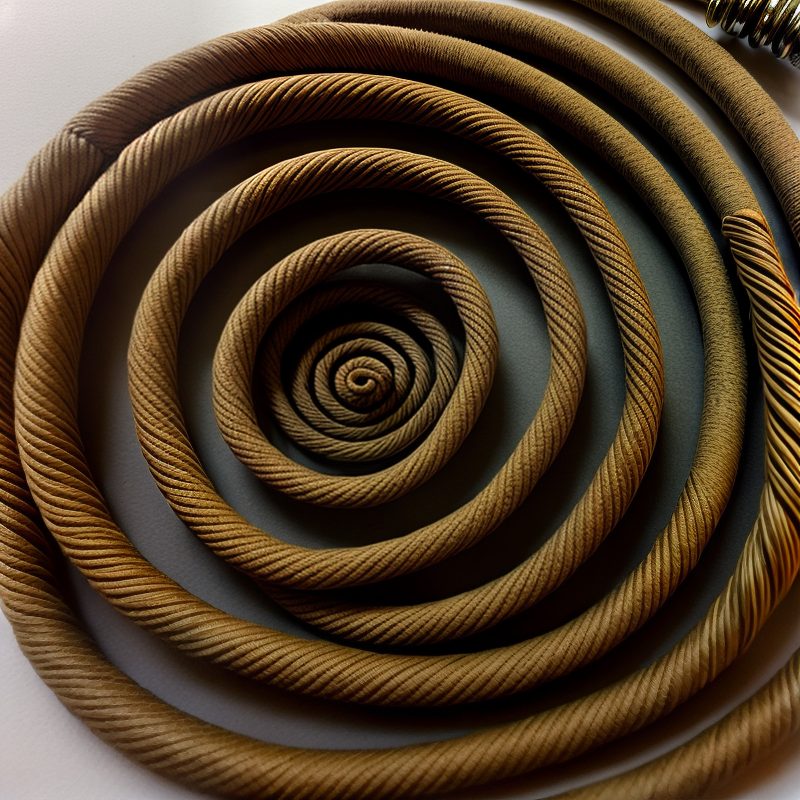
Mysteries of traditional coiling techniques
Ancestral Roots
In the ancient times, artists and craftsmen discovered the beauty and potential of clay. Using their hands, they began to create objects of rare beauty and utility through a simple method: coiling. This technique, also known as slow coiling, involves rolling the clay into long, thin strips, which are then layered and joined by hand to form vessels and sculptures.
Craftsmanship
Each carefully added coil of clay reflected the craftsman’s care, patience and dedication. The process was a meditation, a slow, deliberate dance of hands transforming raw clay into works of art. Each object created in this way was not just a vessel, but a tangible manifestation of a profound connection between human and material, art and nature.
Heritage of Tradition
Over the centuries, the coiling technique has been transmitted from generation to generation, keeping alive a tradition that symbolized human creativity and innovation. Each craftsman added his unique stamp, adapting and improving on the methods of his predecessors. This practice was not just about creating objects, but about maintaining a link with the past and respecting ancient wisdom.
Modern Innovation
As time has passed, technology has advanced and new possibilities have emerged. 3D printing with ceramics has revolutionized the way we can create complex and detailed shapes. Using similar principles to coiling, 3D printers extrude material in layers, building objects gradually. This is not just a continuation of tradition, but a perfect blend of past and future.
The Deep Connection
Although the technology is advanced, the essence of the process remains the same: every layer, every line, every detail is added with care and intention. Just as artisans of the past put their soul into every coil of clay, today, modern artists put their vision and creativity into every 3D print. 3D printing with ceramics not only allows the realization of previously impossible shapes, but also retains the soul and passion that characterizes the coiling tradition.
A New Age of Creativity
Traditional coiling and ceramic 3D printing are not opposites, but complementary. Together, they open up a new era of creativity, where respect for tradition meets technological innovation. Each object created tells a story – a story of patience, connection, innovation and beauty.
A visual journey through the art of coiling